Comparison
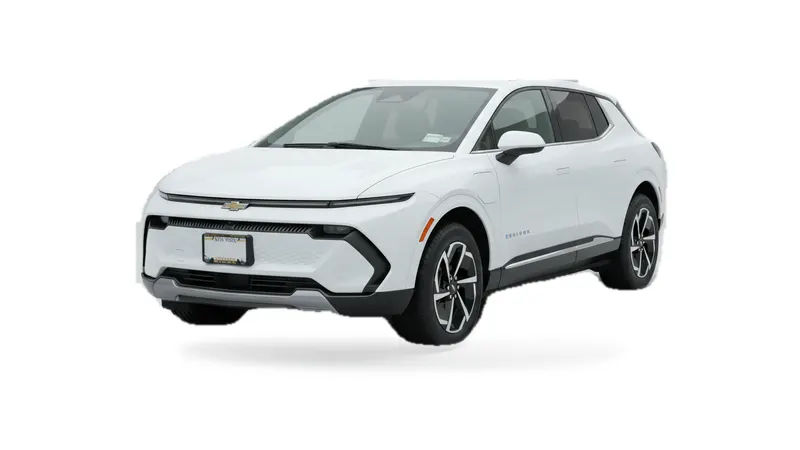
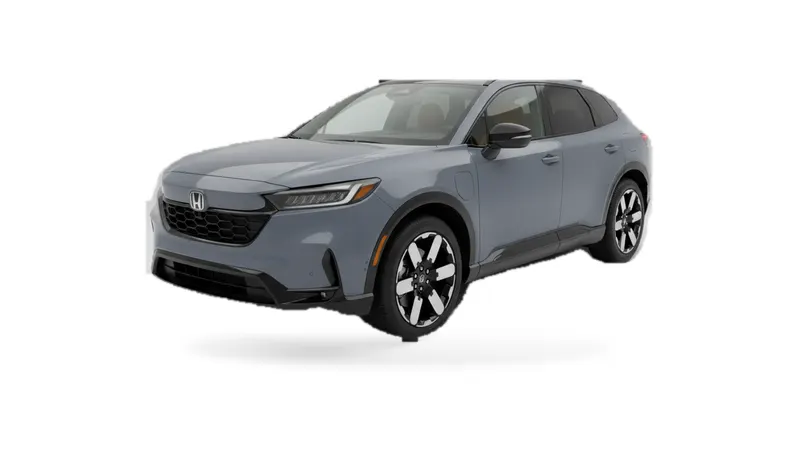
Chevrolet Equinox EV vs Honda Prologue
FWD vs EX FWD: range, price, charging, running costs and road-trip stops.
Winner by category
6 categories comparedBuying verdict
Editorial notesThe Equinox EV is $4,905 cheaper than the Prologue FWD ($34,995 vs $39,900) and rates 11 miles farther (319 vs 308). The Prologue is in its final model year, so buying one now means leftover inventory.
Chevrolet Equinox EV is best for
- Shoppers who want the lowest price, with $4,905 saved against the Prologue FWD.
- Commuters who value cargo space, 26 cu ft against 24.
- Buyers who want faster charging, 38 minutes for 10-80% against 34 on the Prologue.
Honda Prologue is best for
- Honda owners who can find a discounted final-year car and want to stay with the brand.
- Drivers who plan to charge on the road, since the Prologue takes 34 minutes for 10-80%.
- Buyers who want a 91 kWh pack at a price below $40,000.
Both charge at 150 kW peak and both use CCS1, so the charging hardware does not separate them. The Prologue is listed as final model year, which matters for resale and for how long dealers will have new stock. Check local discounts before comparing, because a deep cut on the Prologue would close the $4,905 gap.
Side-by-side comparison
Featured trims| Spec | Chevrolet Equinox EV | Honda Prologue |
|---|---|---|
| Trim used | FWD | EX FWD |
| MSRP (USD) | $34,995 (better) | $39,900 |
| Range | 319 mi (better) | 308 mi |
| Efficiency | 311 Wh/mi • 3.22 mi/kWh (better) | 330 Wh/mi • 3.03 mi/kWh |
| Battery (usable) | 85 kWh | 91 kWh (better) |
| Seats | 5 | 5 |
| Drivetrain | FWD | FWD |
| Body type | SUV | SUV |
| DC max | 150 kW | 150 kW |
| AC max | 12 kW | 12 kW |
| 10–80% (DC) | 38 min | 34 min (better) |
| Roadtrip score | 66.3 | 71.3 (better) |
| Miles added (15 min est.) | 76 mi | 85 mi (better) |
| USD per mile of range | 110 $/mi (better) | 130 $/mi |
| 0–60 mph | 7.7 s | 6.7 s (better) |
| Top speed | 118 mph (better) | 115 mph |
| Cargo | 26 cu ft (better) | 24 cu ft |
| Tow rating | 1,499 lb | 1,499 lb |
Pick the Chevrolet Equinox EV if…
- You want the lower price: $34,995 vs $39,900 to start, $4,905 less.
Pick the Honda Prologue if…
- You care about acceleration: 0-60 mph in 6.7 vs 7.7 seconds.
Availability: 2026 is the final model year for the Honda Prologue.
5-year energy cost: Chevrolet Equinox EV vs Honda Prologue
| Charging mix | Chevrolet Equinox EV | Honda Prologue |
|---|---|---|
| Efficiency | 311 Wh/mi | 330 Wh/mi |
| All home charging | $3,500 | $3,750 |
| 80% home, 20% public DC | $4,800 | $5,100 |
| All public DC fast charging | $9,950 | $10,550 |
60,000 miles (12,000 a year) at rated efficiency, $0.17/kWh at home, $0.48/kWh at public fast chargers, plus 10% charging loss. A 30 mpg gas car at $3.20/gal would spend about $6,400 on fuel over the same miles. Use your own rates.
500-mile road trip: charging stops
| Chevrolet Equinox EV | Honda Prologue | |
|---|---|---|
| First leg (90% to 10%) | 217 mi | 209 mi |
| Each leg after a 10-80% stop | 190 mi | 183 mi |
| Fast-charge stops | 2 | 2 |
| Time spent charging | about 75 min | about 70 min |
| DC port | CCS1 | CCS1 |
Highway range taken as 85% of rated range. Each stop is counted as a full 10-80% session at the listed time, so the last stop is often shorter in practice. Cold weather and high speeds add stops. Charging time calculator.